Switch to PCB Renewal
Speak to our experts today to unlock up to 70% savings on your warranty costs.

Extended warranties are meant to build trust, but they’re also silently draining your profit margins. For many manufacturers and warranty providers, the cost of replacing failed PCBs (printed circuit boards) over a 7–12 year warranty period has spiralled into a major financial and operational burden, and while replacing a PCB might seem like the simplest solution, it’s far from the smartest.
Today, the industry is waking up to a better alternative: PCB renewal. By repairing and renewing faulty boards instead of replacing them, many manufacturers are cutting costs by up to 70%, protecting their reputations, and drastically reducing electronic waste. Here’s how:
Manufacturers and warranty providers offer long warranties often stretching from 7 to 12 years in order to build consumer confidence and differentiate themselves in a competitive market. But when PCB failures occur, those warranties become expensive liabilities.
Every replacement PCB shipped into the field represents:
Multiply those costs across thousands of warranty claims, and the impact can be staggering; potentially millions in lost revenue every year.
The financial burden is only half the story. Frequent PCB failures can damage far more than your balance sheet, they can erode brand reputation and installer confidence.
When installers consistently encounter boiler models with failing PCBs, they start steering customers toward other brands. Even a small dip in installer preference can have a significant long-term impact on market share.
Consumers, too, lose trust when their equipment/white goods require repeated service calls. Warranty claims may cover the cost, but they don’t erase the frustration or the potential for brand damage.
For years, replacing a failed PCB was seen as the only viable solution. Repairs were considered slow, unreliable, or simply not possible. That’s no longer the case.
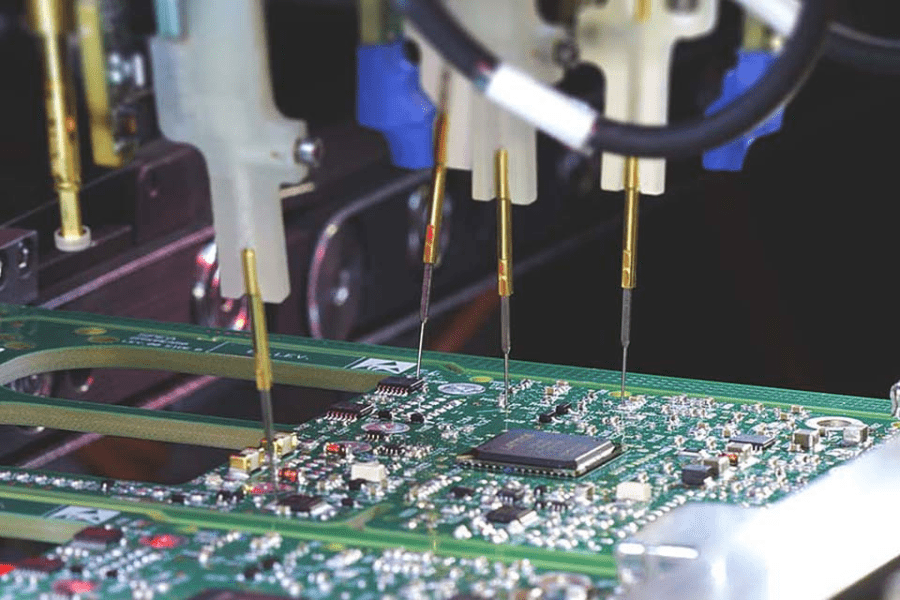
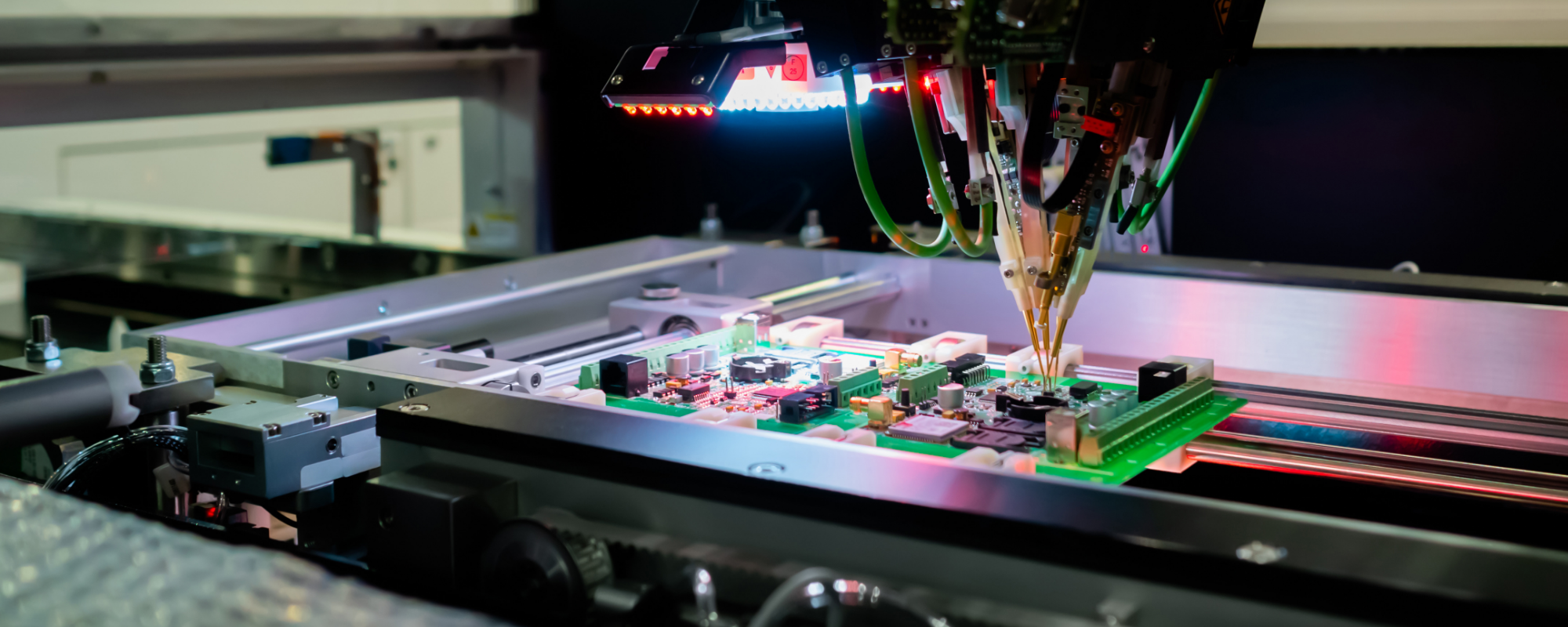
Modern PCB renewal processes have transformed what’s possible. Using component-level repair, advanced flying probe testing, and robust quality controls, Unipart’s dedicated team of skilled engineers can repair and renew over 91% of faulty boards, many of which may have previously been considered unrepairable.
The results speak for themselves:
Unipart isn’t just offering a repair, it’s a renewal. Boards are tested, validated, and returned to the field performing like new.
PCB renewal isn’t just a theory; at Unipart we’re delivering real commercial results. A major home services and energy provider working with Unipart has achieved:
Those numbers don’t just reduce costs, they transform aftermarket operations from cost centres into value-generating renewal programmes.
The environmental benefits of PCB renewal are just as powerful. Each repaired board represents one less PCB in landfill and one less new board needed to be manufactured.
With up to 9 out of 10 boards renewed, the process dramatically reduces electronic waste and supports broader Environmental, Social and Governance (ESG) strategy and Circular Economy goals. For manufacturers under increasing pressure to demonstrate sustainability leadership, PCB renewal offers a measurable and meaningful way to do so.
The industrial tech industry is under constant pressure from factors ranging from warranty costs and supply chain disruption, to sustainability targets and changing customer expectations. In that landscape, PCB renewal isn’t just an option; it’s becoming an operational imperative.
By shifting from replacement to renewal, manufacturers can:
The question isn’t if the industry will embrace PCB renewal, it’s how quickly those who do will leave competitors behind.
Explore your PCB renewal requirements with Unipart
Unipart helps many manufacturers transform their aftermarket operations through industry-leading PCB testing, repair, and renewal services. With a 91.43% repair success rate, rapid 8-minute turnaround times, and millions in cost savings already delivered, we’re redefining what’s possible.