
Maximising rail infrastructure value through circular relay servicing for Network Rail
24th July 2026 | 2 min read
The Challenge
Unipart partnered with Network Rail to support the Gloucester Area Signalling Project (GASP), a critical infrastructure upgrade covering a 32-mile radius of the Gloucester rail hub.
The partnership focused on the procurement of essential signalling relays, requiring a solution that balanced budgetary constraints and accelerated lead times with environmental performance targets.
Buying new relays presented two major risks to the project’s success:
- Prohibitive costs: New units had higher prices that strained the project budget.
- Extensive lead times: Lead times for new relays exceeded 40 weeks, threatening
the strict commissioning schedule and increasing the risk of prolonged passenger disruption.
Network Rail required a solution that could provide high-performance, safety-approved components without the financial and temporal costs of traditional manufacturing.
The Solution
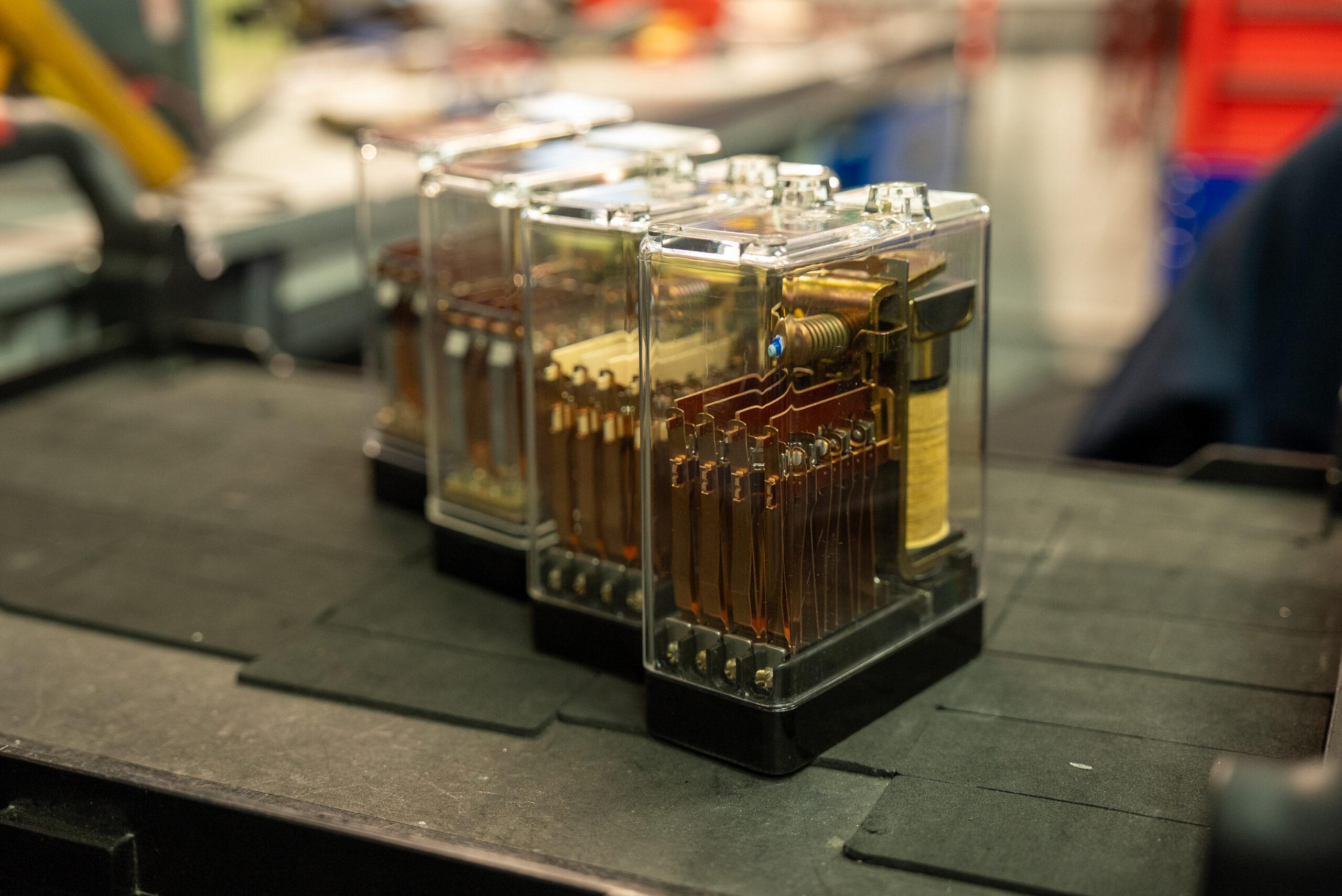
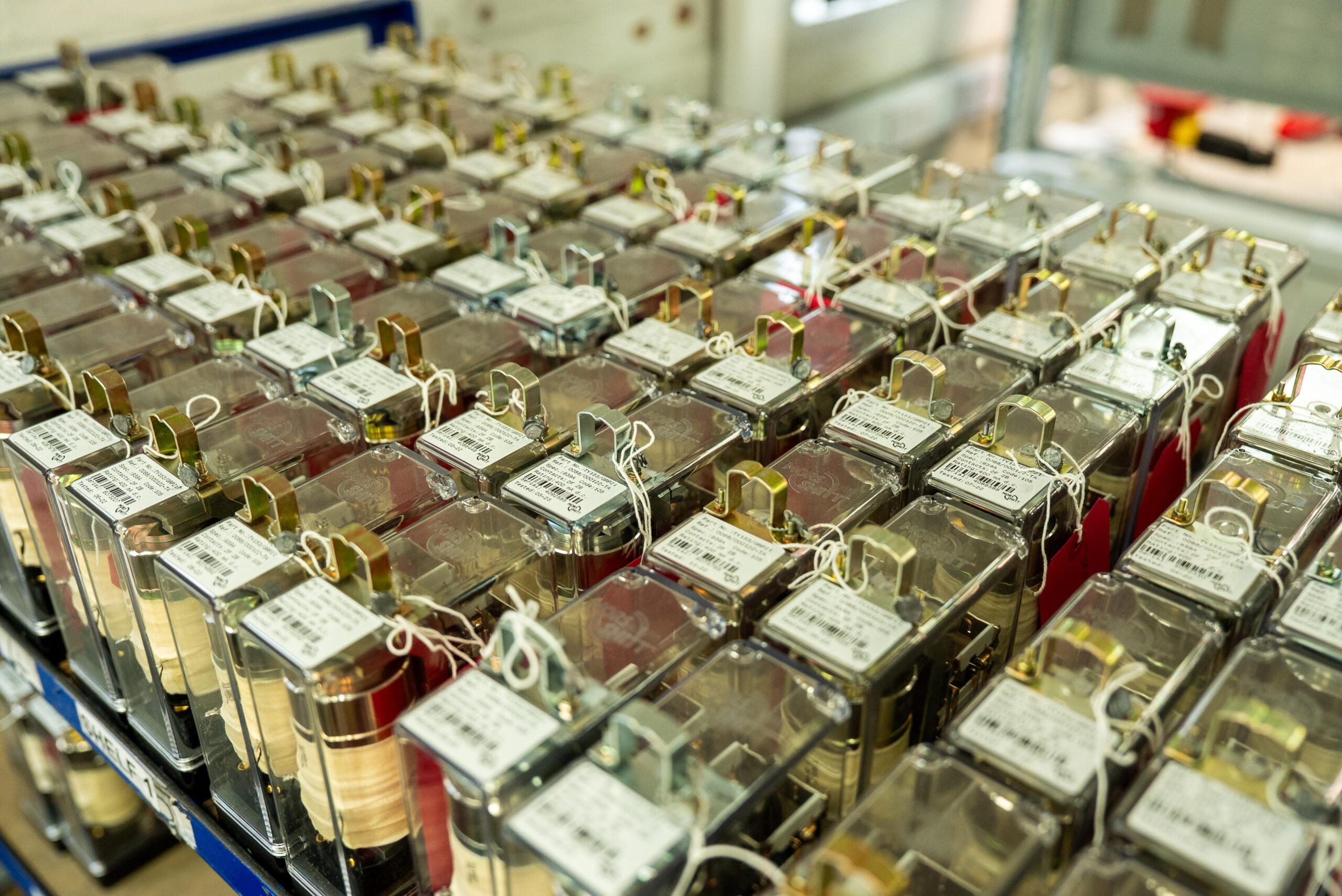
Unipart implemented a comprehensive service-and-return solution, taking used relays from Network Rail and servicing them to industry standards within our specialist technical facilities, before distributing them as project-ready kits to streamline installation for signalling engineers.
As a trusted partner in circular engineering, Unipart serviced 737 relays specifically for the GASP project. The process involved:
- Specialist servicing: Stripping, cleaning, setting and testing units to industry standards.
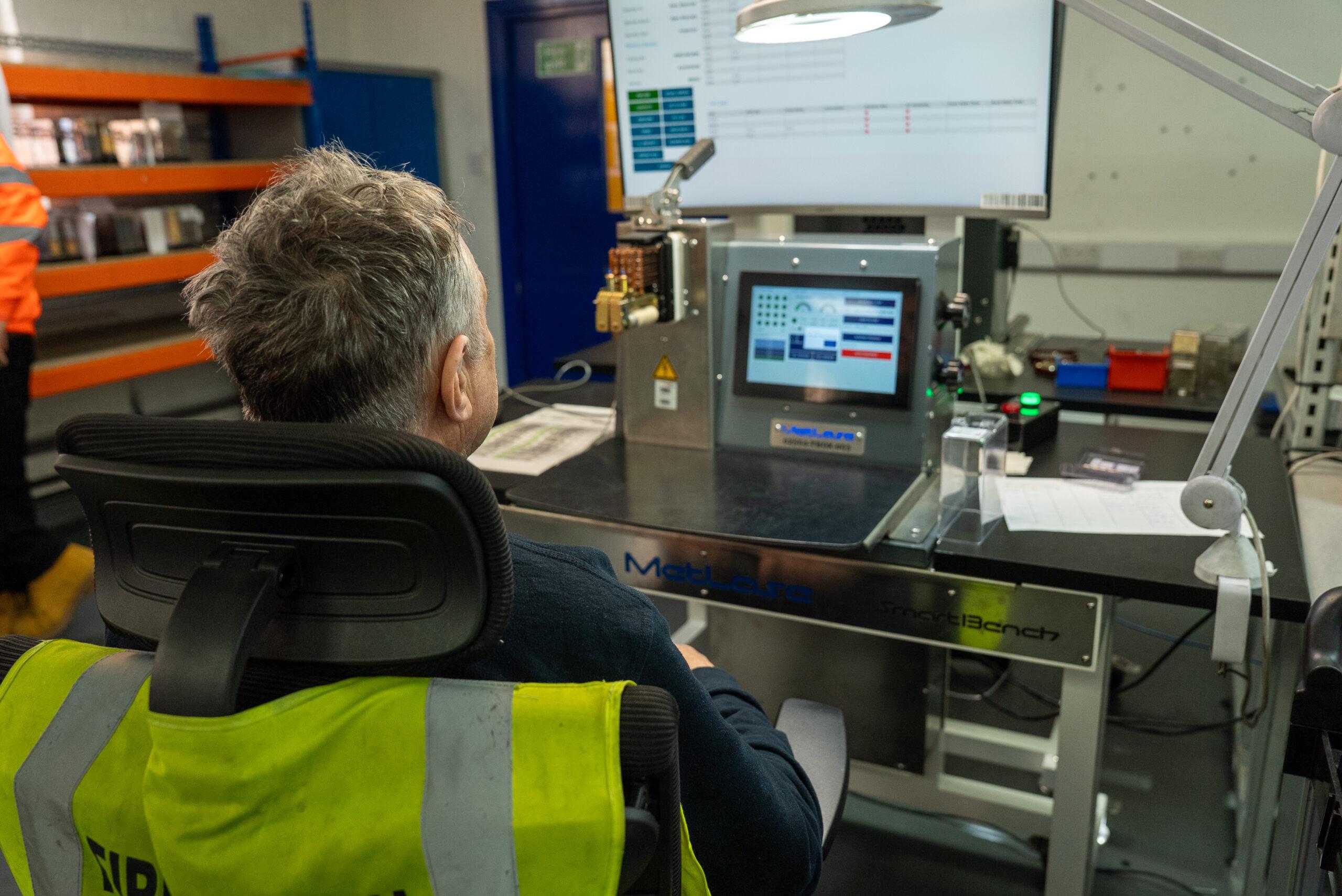
- Rigorous assurance: By utilising the MetLase SmartBench, every unit underwent rigorous
testing and final inspection to ensure compliance with rail safety and performance specifications. - Collaborative logistics: Working closely with the Network Rail SCO team, we ensured the
serviced components were delivered exactly when needed, aligning with the project’s phased installation.
Our approach directly fulfills the Unipart and Network Rail ‘repair promise’ by transforming used assets into ‘as-new’ components, delivering significant environmental benefits through a circular economy service that eliminates the carbon-heavy requirements of international manufacturing, processing and shipping.
The Impact
The partnership delivered measurable improvements across three key pillars: cost, time, and carbon. By choosing to service rather than replace, the project achieved:
- £349,000 cost savings: A >70% reduction in component costs, allowing for
significant budget reallocation. - 30-week lead time reduction: By bypassing global supply chains, the project
avoided more than seven months of delays, ensuring commissioning remained on track. - Environmental impact: The project saved 486kg of CO2, representing a 66%
carbon saving compared to the manufacture of new units.
By switching from new to serviced relays over the last 18 months, Unipart and the Network Rail SCO team have saved approximately £600,000, cut CO₂ by 1,121 kg, and reduced lead times from several months to just 4-6 weeks.